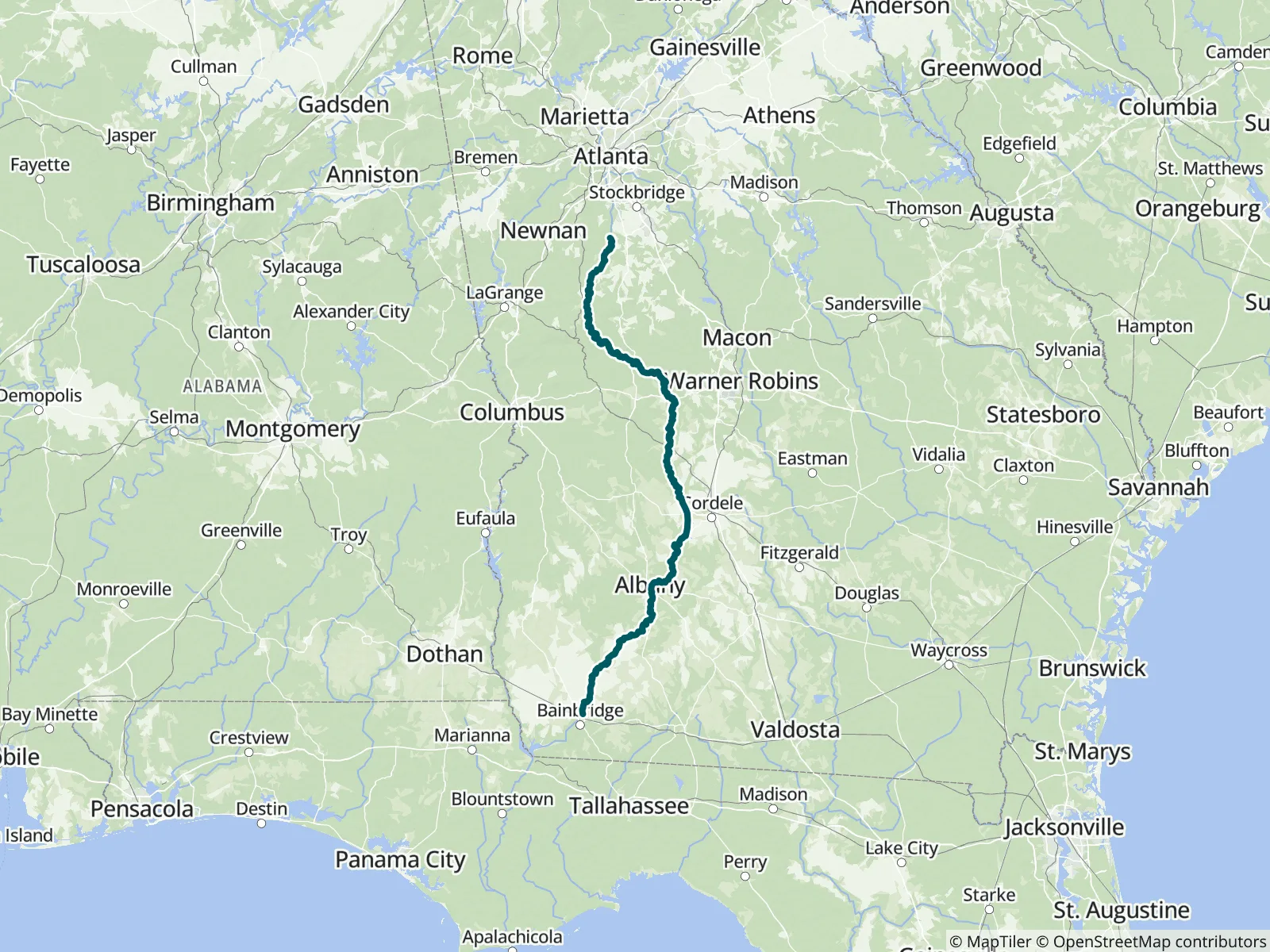
Unrivaled among Georgia's large rivers for wilderness beauty: bluffs, rock walls, Appalachian shoals, blue-hole springs, and one of the Southeast's longest free-flowing segments, with more than 265 miles of trips. This guide is found in Part 5 in the Menasha Ridge Press guidebook Canoeing & Kayaking Georgia by Suzanne Welander and Bob Sehlinger. FarOut publishes it in partnership with AdventureKEEN.
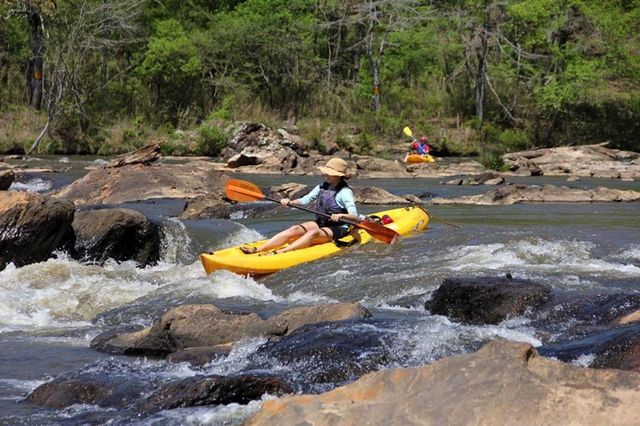
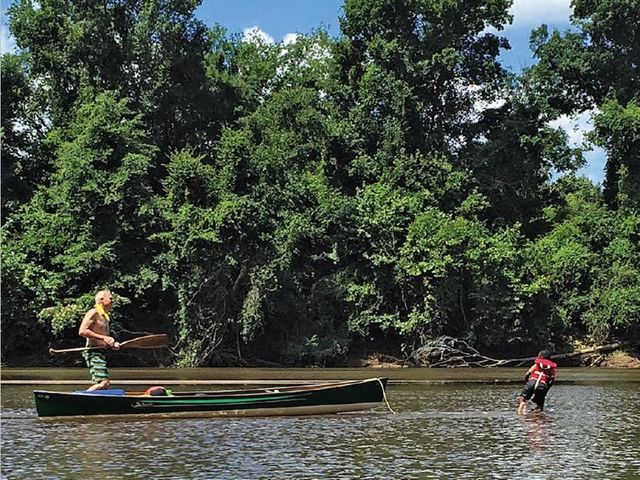
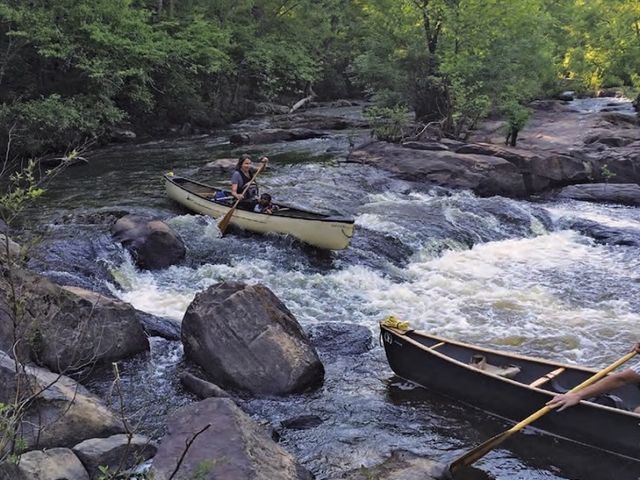
In terms of wilderness beauty that features spectacular vistas of varied terrain, the Flint is rivaled by no other large river in Georgia. Flowing through four geologic transitions, the Flint alternates between broad and narrow as it passes beneath pine-covered bluffs and at the foot of high rock walls, over extensive rocky shoals of Appalachian origin—yet peppered by Spanish moss alongside Piedmont azalea and mountain laurel—through winding bottomland swamp, past cities and towns, and between fertile cultivated plateaus. The limestone bedrock of the lower river results in a remarkable transformation: dripping overhangs, blue-hole springs, occasional shoals. With headwaters just above the Atlanta airport and tailwaters in Lake Seminole, it is one of Georgia’s longest rivers and encompasses one of the longest free-flowing river segments remaining in the Southeast. More than 265 miles of river trips are included here, suitable for both day trips and epic canoe-camping adventures.