
The Emotional Whiplash of Ending a Long-Distance Hike
All journeys must come to an end: Finishing your hike.
How to accept the conclusion of your long-distance hike and move forward with grace.
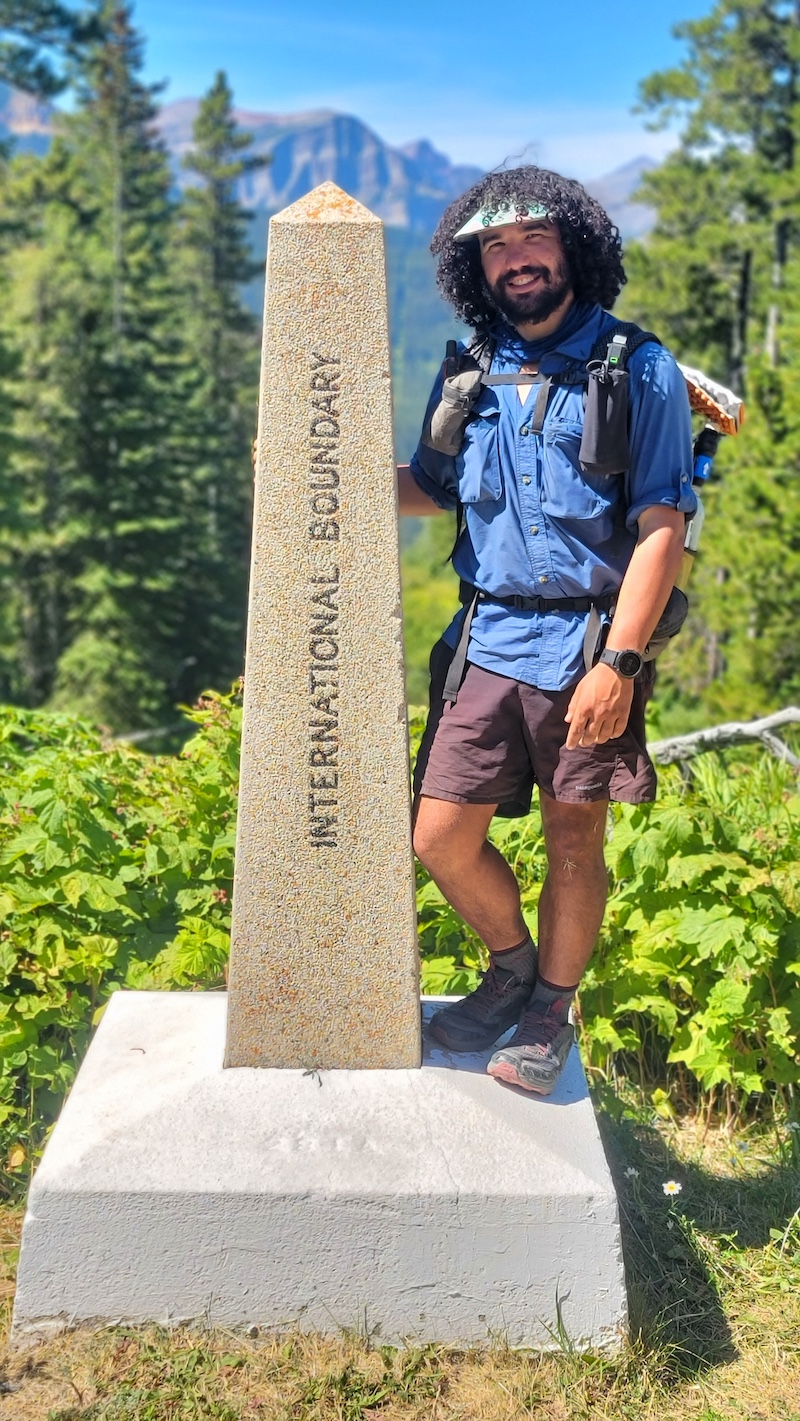
Photo provided by Joseph Gonzalez
Finishing your long-distance hike is a keystone moment. Every step, bug bite, mountain top view, and questionable campsite culminates in this: the end. But, it isn’t really the end.
It’s the definition of bittersweet. Finally, you don’t have to walk anymore. You can kick your feet up and rest. But in return, you’re thrown back into the real world: It’s time to get back to being a responsible, society-contributing adult. And if you’re not careful, the emotional whiplash of transitioning back into day-to-day life will have your head spinning.
I’ve thru-hiked many trails, and each time the transition gets easier. The formula is simple: adapt trail habits to home, keep boundaries, and reinvest in the trails community.
Keep moving
Physical needs are your first priority. Maintaining a healthy body will naturally build your emotional and mental wellness. And luckily for you, you’ve just wrapped up a weeks-long journey with your own personalized system, rituals and habits to stay disciplined. The hard part is adapting it to normal life.
Here’s the easiest step: keep moving. Science has shown that time outside is good for your health. Plus, you’re already in shape. It doesn’t matter if you’re hiking, birding, cycling or playing bocci: getting a little sun and fresh air will help stave off post-trail blues. What’s important is channeling your pent up endurance and energy towards tangible tasks that keep your mind preoccupied while close to nature.
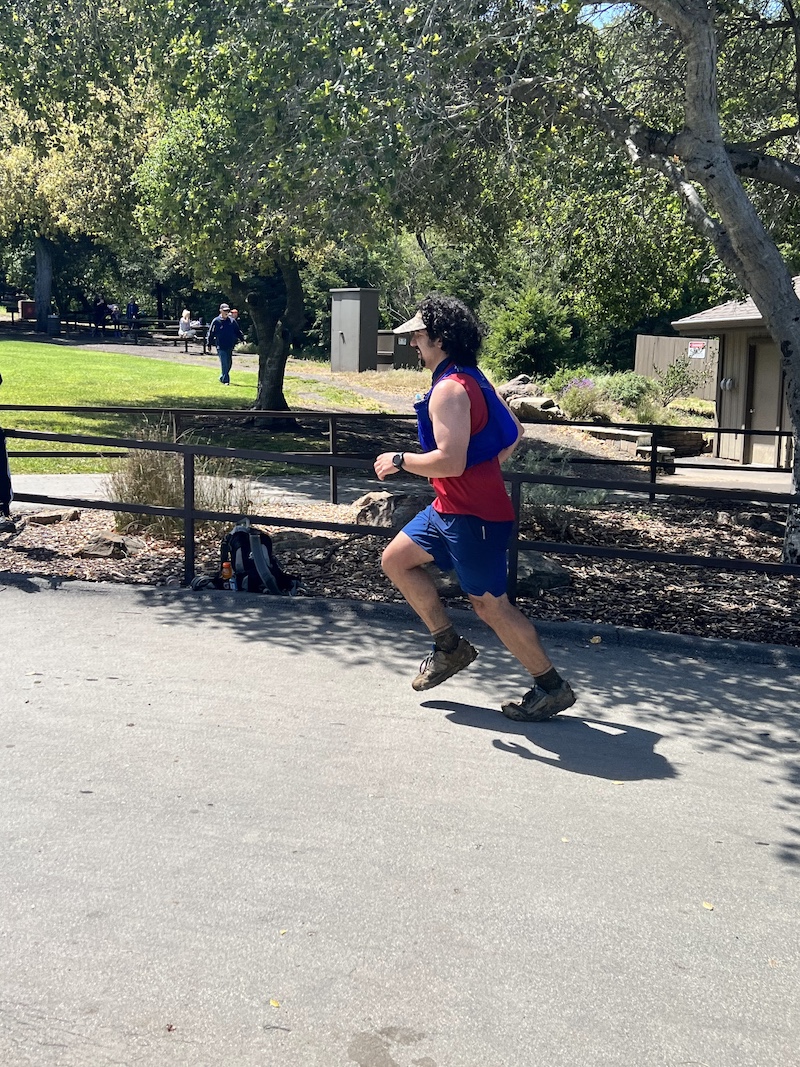
Photo provided by Joseph Gonzalez
Getting mindful sleep is also useful. On trail, your circadian rhythm closely follows sunrise and sunset, aka hiking hours. But between blue lights, social life, comfy beds and other distractions, it gets thrown out of whack once you’re off trail. Before you slip back into late nights and even later mornings, make a concerted effort to wake up with the sun and see how you feel – you might still appreciate a sunrise, a restful commute, or a quiet morning before everyone else is awake.
Finally, pay attention to your body composition and your diet. You’re not walking 20 miles a day anymore, so your body isn’t burning as many calories. It’s easy to maintain a ravenous appetite after your thru-hike, but expect to gain back the weight you lost. Strive for whatever weight you feel healthiest at. Just remember that maintaining is easier than losing, so be mindful once you’re at a weight and composition you like.
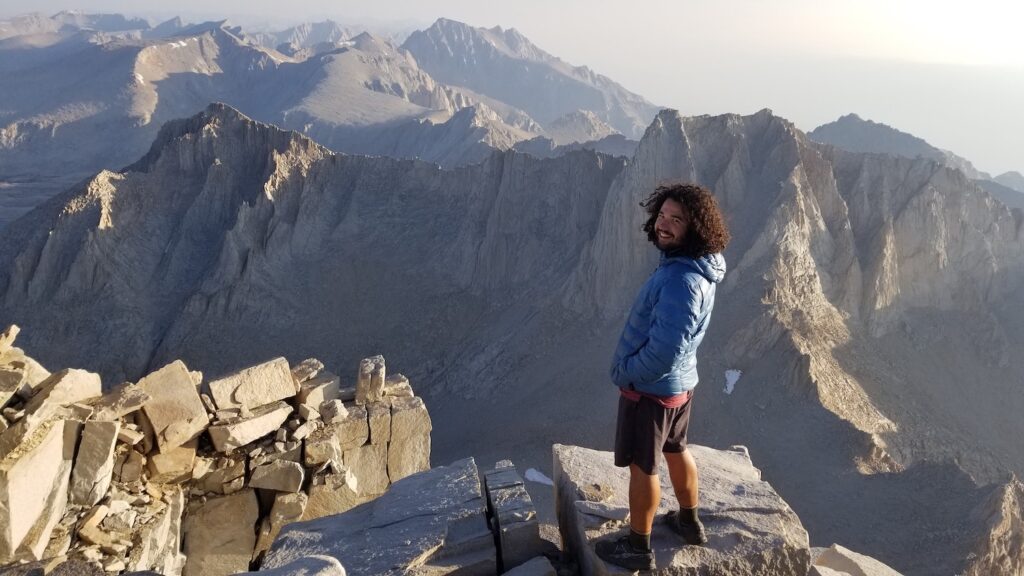
Photo provided by Joseph Gonzalez
The hike will change you. Don’t make it your personality
You aren’t the same person you were at the beginning of your hike: you’ve changed.
You’ve had hairraising wildlife encounters, battled the elements and mingled with world nomads first-hand on your travels. And along the way, you’ve expanded your perspective and gathered life experience. But don’t expect your experience to feel impactful for everyone.
So as you transition back to everyday life, be mindful to maintain an identity outside of your experience on trail.
It’ll always be a part of you, but it’s just the latest layer: You have many more layers to develop! Soon your loved ones will know every trail story, a new class of hikers will be on your favorite trail in the spring, and the world will move on. And you should too.
Consider the most trail-drunk, hiking-romantic version of yourself. The best thing you can do for that person is to continue to develop. Apply your lessons from trail, but don’t let the experience define you.

Photo provided by Joseph Gonzalez
Stewardship for the soul
The trail itself is a thin ribbon of dirt, but the trail community is a living, evolving thing. Shortly after your thru-hike, you’ll miss both. Giving back to trails will keep you invested in a way you weren’t before. And it’s easy.
Donating and becoming a member of your favorite trails organization is low-effort, high-reward. Besides your membership going into tools and volunteer labor, most trails memberships also come with member-only events and other offerings, like magazines and calendars. Plus, you’ll find yourself smack dab in an existing trails community, building relationships with like-minded hikers.
Most national scenic trails have a nonprofit stewardship org to help maintain the trail, but also consider your favorite local parks and conservation groups.
Money always helps, but so does volunteer trail maintenance. Almost every trail you’ve ever hiked on has had some level of trail maintenance involved, and you might be surprised by how much effort it takes to keep hiking trails in tip-top condition. Trail maintenance is a great way to get to know folks, plus will give you an appreciation for the technical aspects of trail engineering and land management.
By the way, who doesn’t love trail magic? Giving trail magic to hikers is a quick way to brighten a lot of hikers’ days, plus it’s a ton of fun. Just consider where you’re going, what parking looks like, and remember to bring plenty of options for all diets and lifestyles. And don’t forget to bring a few trash bags, too!
The next journey
Traffic. TPS reports. Taxes. Ugh. Born to hike, forced to grind. It’s difficult to take the monotony of daily life seriously again.
Take solace, dear hiker: You can look back at trail memories with fondness. You did that thing! Be proud of yourself. The experience, and knowing what you’ve accomplished, will live with you forever. Keep it close, and when life gets hard, remember that you’re capable of incredible things.
If my experience on trail has taught me anything, it’s that life is experiential. “A-ha” moments are harder to come by the more you hike. And when you reach that peak — or finish that trail — it’s not the end of the line. It’s merely a saddle, a moment of reflection and rest through a tumultuous climb before you gather the strength for the next adventure.