
How I Mentally Prepare for a Thru-Hike (Not Just the Physical Stuff)
Alison "Blissful Hiker" Young is a 2026 FarOut Scout
Can we talk about fear?
Years ago, I read a powerful book by Susan Jeffers called Feel the Fear and Do It Anyway.
Her central idea is simple but profound. Fear shows up for all of us. It comes dressed as anxiety, angst, dread, panic, worry, trepidation, imposter syndrome, even that jittery voice that whispers “what if?”
And while we often think we need to conquer or silence fear, her message is different. She tells us to listen to it, accept it and keep moving forward anyway.
I’m reaching back to her lessons as I consider how I mentally prepare for a thru-hike and how being grounded and focused on my “why” helps me move forward when the going gets tough.
Notice I said when and not if.
The going will get tough and I always feel it’s better to be ready for it, to expect it and maybe even to greet it as an old friend with a “Oh hey, there you are again! How’s it going?”
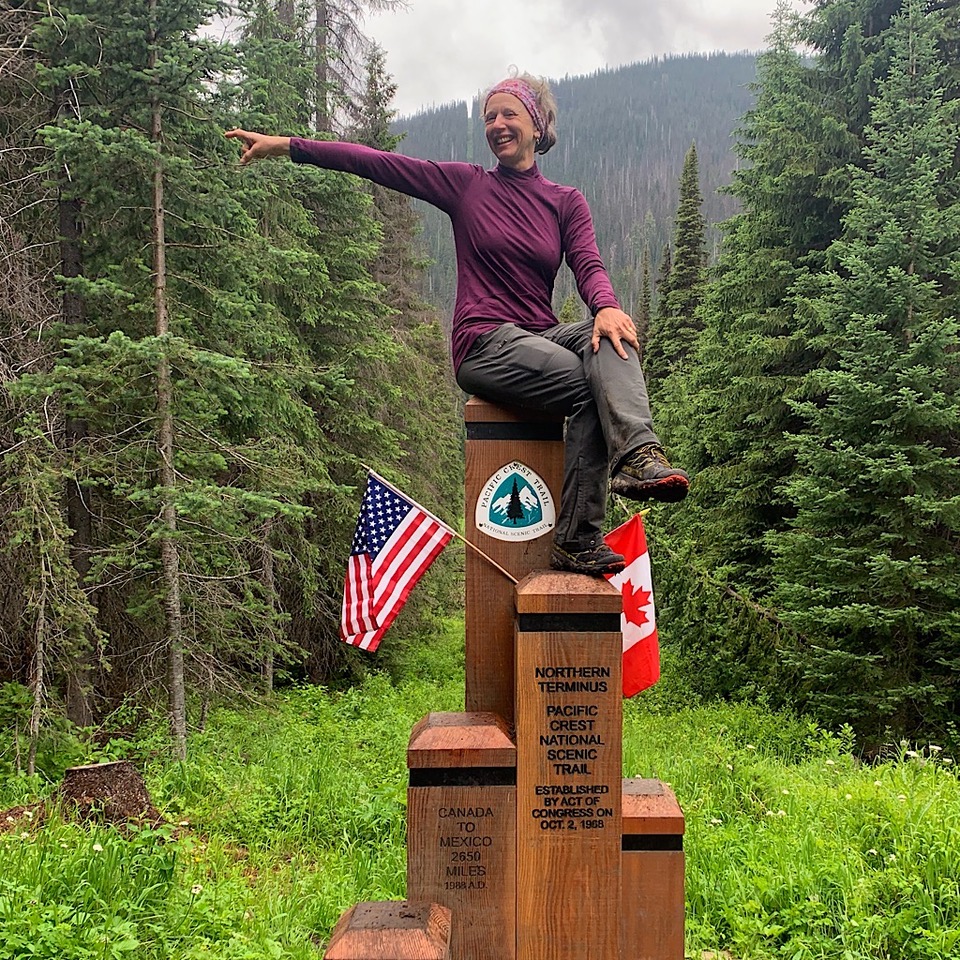
“Alison Young at the start of the Pacific Crest Trail on the Canadian border. Imagining the finish line 2600+ miles and countless days ahead is nearly impossible.”
Photo provided by Alison Young
The Myth of Security
It might surprise you that even as someone who’s walked tens of thousands of miles across six continents, I still feel fear and anxiety every time I plan a new hike. I know I have no control over the weather, the terrain, other people or how my aging body might respond.
Once that list of worries starts scrolling, I’d prefer to curl up in a ball of comfort zone. I’d be peachy keen pushing the next big, scary, rocky route in a foreign land — I’m talking to you Great Himalaya Trail! — as far away from becoming a reality as possible, a reality that might actually ask for some form of commitment from me.
But that would make for a boring life, wouldn’t it?
Helen Keller said it best: “Life is either a daring adventure or nothing at all.” One thing we know for certain is that everything changes. So if security is an illusion, why cling to it?
Besides, that’s why we thru-hike in the first place, for the adventure and to test our bodies, mind and spirit against something vast and unknown.
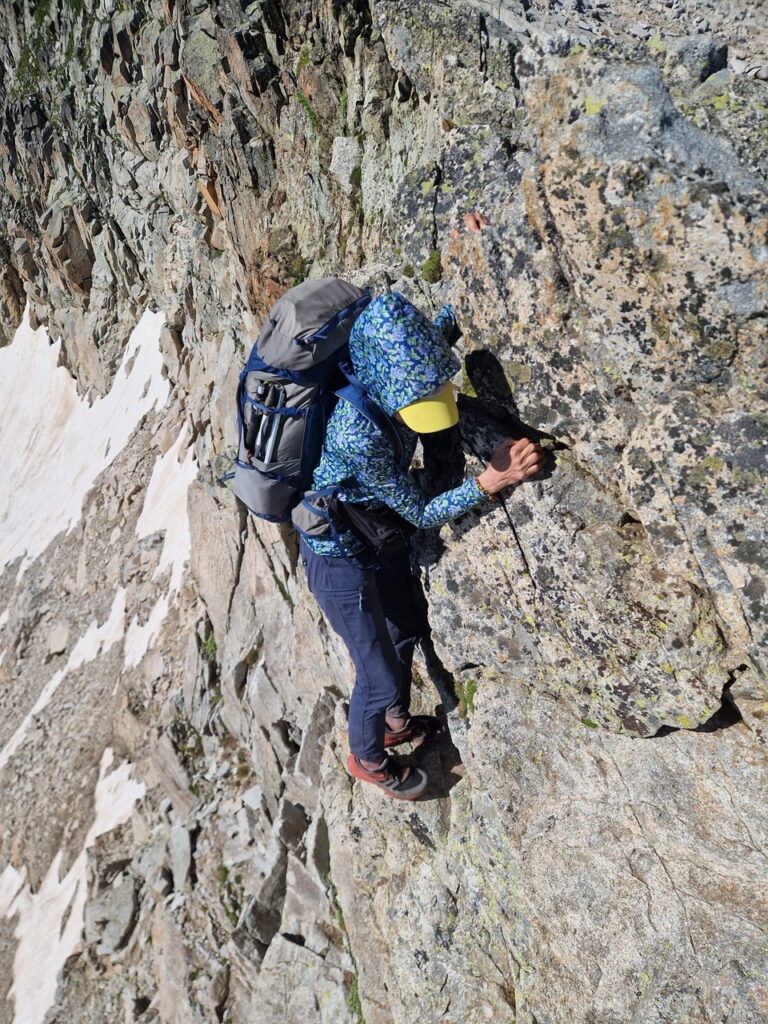
“Alison Young descending the 30-foot vertical rock wall of the Col de Mulleres on the Pyrenean Haute Route. One aspect of mental preparedness for a thru-hike is breaking things down into small achievable goals — and also having an escape plan should weather or other factors thwart our plans.”
Photo provided by Alison Young
Why Are You Here?
Still, before you even place one foot on trail, it helps to answer a simple question: Why am I doing this?
Maybe you’re chasing a dream, craving change, healing from something difficult, or just curious about what lies beyond your usual routine. There’s no wrong answer.
Grandma Gatewood, a 67-year-old mother of eleven and the first woman to thru-hike the Appalachian Trail was once asked why she did it. Her answer? “Because I wanted to.”
Direct, simple, and honest. Knowing your why and holding it close can help push you through a lot of tough eventualities like fatigue, frustration, cold, pain and maybe the most debilitating of all, doubt.
I remind myself daily that I am a 61-year-old cancer survivor with fake hips. This hiking thing can’t go on forever, but right now my body is capable, my spirit is willing and the day I have to stop is still far off in the future. Knowing my why keeps me on trail.
Think Small to Go Big
Here’s a counterintuitive idea you can add to your mental prep: Set your sights low.
This is not in any sense about lowering your ambition, but in how you approach the trail day to day.
When you set one big, hairy, audacious, lofty goal like, “I will finish fill-in-the-blank thru-hike” your life tends to revolve around getting there. You push hard every day, putting on the blinders of “summit fever” that you need to get this one done thing at all costs.
And yet, when you don’t reach your goal, you fail every day. Maybe just a little bit, but those little bits, day after day, add up, and the goal begins to feel impossible to reach.
The irony, though, is that when you reach your goal, the elation you feel inevitably fades quickly and the cycle starts all over again.
So instead of focusing on big goals, the better approach is to build systems of small, manageable steps that come with built-in flexibility. Things like getting up this next climb, walking to the next water, looking forward to the next camp.
When I’ve faced long recoveries or distant trail endings, thinking in months or thousands of miles was paralyzing. But focusing on just today? That was doable.
Oddly enough, when we create a system, we find more joy in our accomplishments. That’s because each day brings its own rewards and discoveries, especially if we stay more in the present and focus ourselves in the “now” of our bite-sized goals.
Embrace the Suck
There’s a saying in the hiker world, “Embrace the suck.”
That’s usually said with a wry smile or an ironic laugh because it’s less about comfort than a reminder that you chose this. You chose to be out here, in the wild and at the mercy of a fickle Mother Nature.
No matter how much I prepare for all eventualities, I never really know what the trail will offer until I place my feet on it. The surprises are endless. Not just with the terrain, the weather, and the people I meet but maybe most importantly in how I respond in the moment.
Anyone who’s hiked knows what you see on Instagram barely scratches the surface. Hiking is rarely only wondrous beauty and transformational healing. I’ve walked through more than my fair share of miserable conditions like bog-trotting in cold, endless rain — Looking at you, Te Araroa!
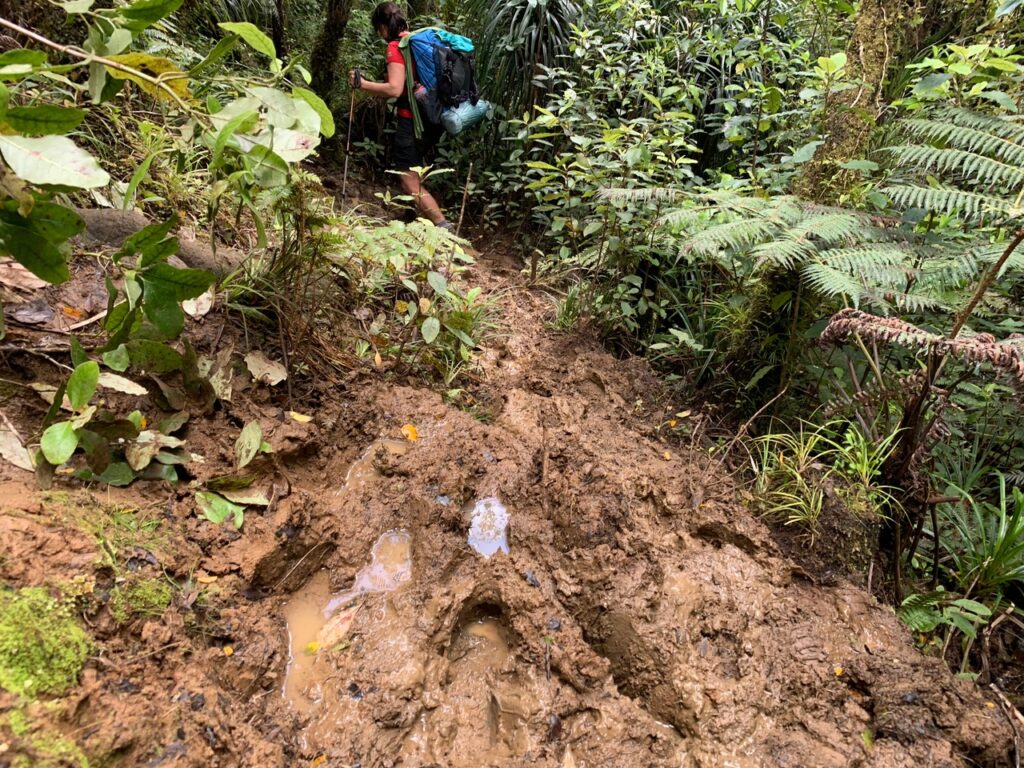
“The hiker’s mantra “Embrace the suck (or it will embrace you)” is a reminder that grueling moments, like slogging through deep mud on New Zealand’s Te Araroa, are part of the journey. It’s better to accept them as a challenge than to get frustrated when they inevitably catch up with you.”
Photo provided by Alison Young
I remember summiting Sca Fell in England’s Lake District as part of my modified Coast-to-Coast thru-hike. It was a wretched, fog-choked day and I was convinced I was the only fool out there. Then, out of the mist came another hiker. With a grin, he said to me, “If we’re not willing to go out in poor weather, we’ll never go out at all.”
Call me a realist, but I believe the trail gives us something powerful. The trail may not always be what we want it to be, but it offers us the opportunity to choose how we respond to whatever it doles out. We can either embrace the suck, or by golly, the suck will embrace us!
But how do we prepare to embrace the suck? How do we set our mind to be flexible enough to manage the suck awaiting us?
“Then What?”
One of the most helpful tools I’ve found as I mentally prepare for a thru-hike is really simple. I talk to my worries.
I start with the “What if’s”:
What if the weather goes to hell?
What if the store closes?
What if I meet some jerks along the way?
What if the trail is too hard?
It’s a gentle challenge, a nudge for the fears to come out of hiding and reveal themselves fully.
And once they’re out, I ask them a second question. Ok, if that happens, then what? It’s within the answers to the second question that I am able to set my fears aside and see what action needs to be taken.
Here’s what that looks like:
If the weather goes to hell, then what?
Well, I could take a zero and wait for the weather to improve.
I could choose an alternate route that’s less affected by bad weather.
I could always quit this hike or do another one.
The “then what” offers a whole list of possibilities. It also causes me to think more rationally about how I might deal with a situation before it happens rather than being paralyzed by my anxiety.
That might mean packing the right gear for eventualities or ensuring I have an escape plan in place. Even then, the questions can continue.
What if I bring the wrong gear?! Then what?
If I bring the wrong gear, I can buy what I need at gear shops along the way.
What if they’re closed, then what?!?
If they’re closed, I can wear everything I brought, or find a hotel for the night or, heck, shiver!
And so it goes. Each answer reveals options and options dissolve paralysis.
Instead of fear spiraling endlessly, it becomes something practical, something you can prepare for. You start packing smarter, planning better and trusting that you’ll figure things out as you go.
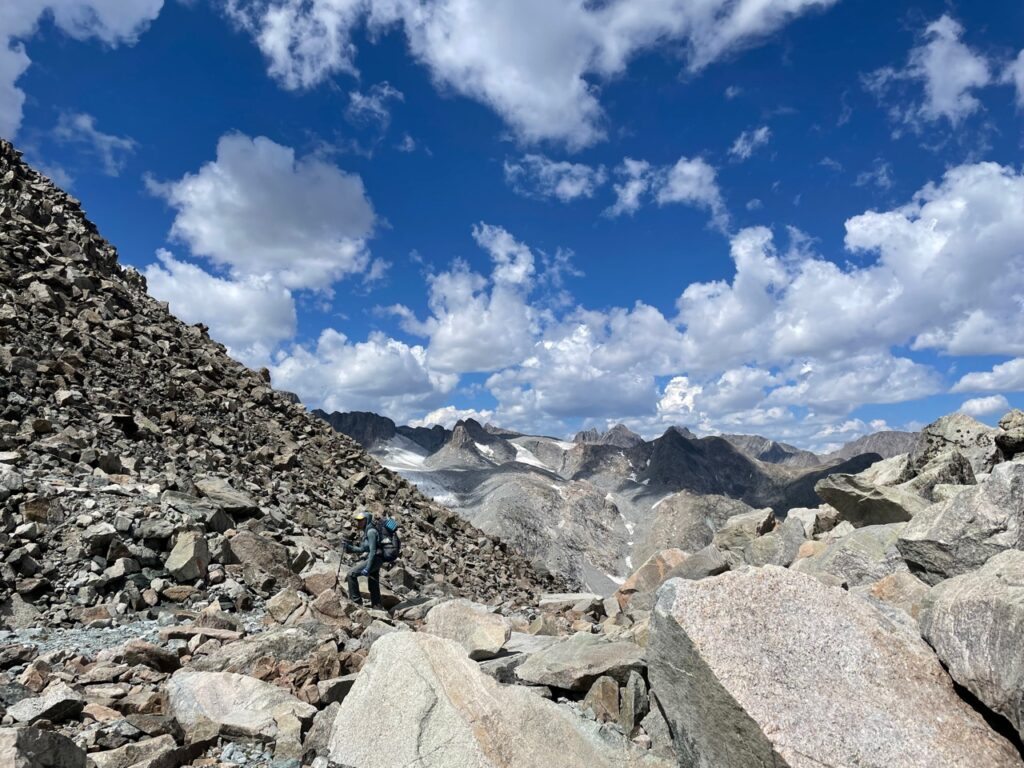
“Alison Young crossing Alpine Pass on the Wind River High Route. Ultimately, embarking on a thru-hike is an act of faith. When we prepare ahead of time, we have a lot more agency to manage the tough parts, and consequently can embrace the ecstatic moments of transformative beauty along the way.”
Photo provided by Alison Young
A Leap of Faith
And it’s that last bit, “trusting that you’ll figure things out” that’s key.
Training for a thru-hike isn’t just physical, it’s mental. You’re training yourself to trust yourself by preparing for change, discomfort, uncertainty, and all the emotions that come with them.
When you accept that bad days will happen and treat yourself with a little compassion when they do, you’re far more likely to keep going. You discover reserves of strength you never knew you had.
At some point, every big adventure requires a leap of faith. Fear and anxiety doesn’t disappear, it just comes along for the ride.
Now get out there and start that thru-hike you’ve been dreaming of for so long! You have so got this.