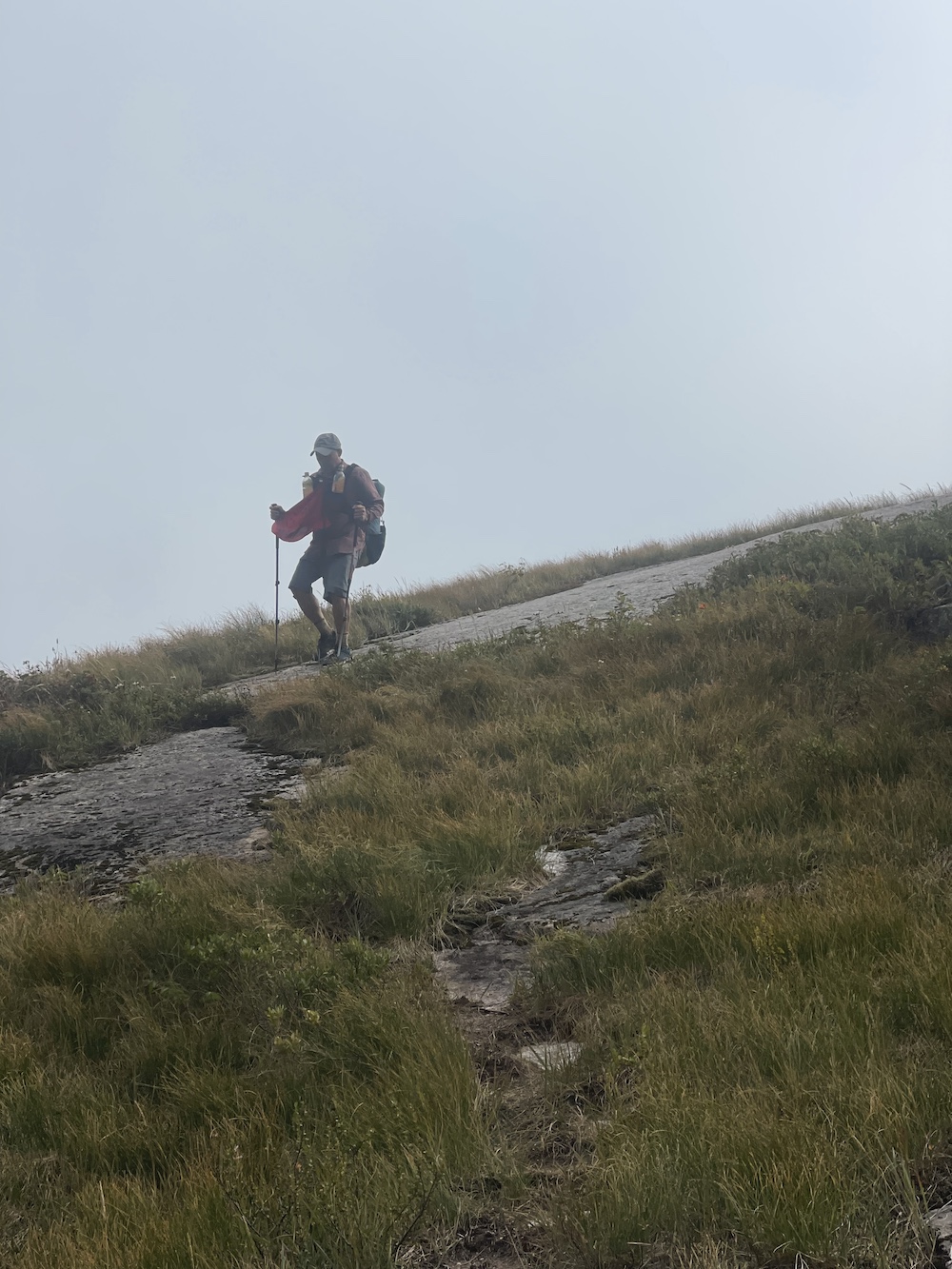
Photo provided by Lil Buddha

Photo provided by Lil Buddha
There’s an expression from the Stoic philosopher Lucius Annaeus Seneca that goes “luck is what happens when opportunity meets preparation.” The expression is best interpreted as things worthwhile don’t just happen by chance. Luck is largely a residue of preparation and resilience. It’s created by making decisions that support rather than detract from goals.
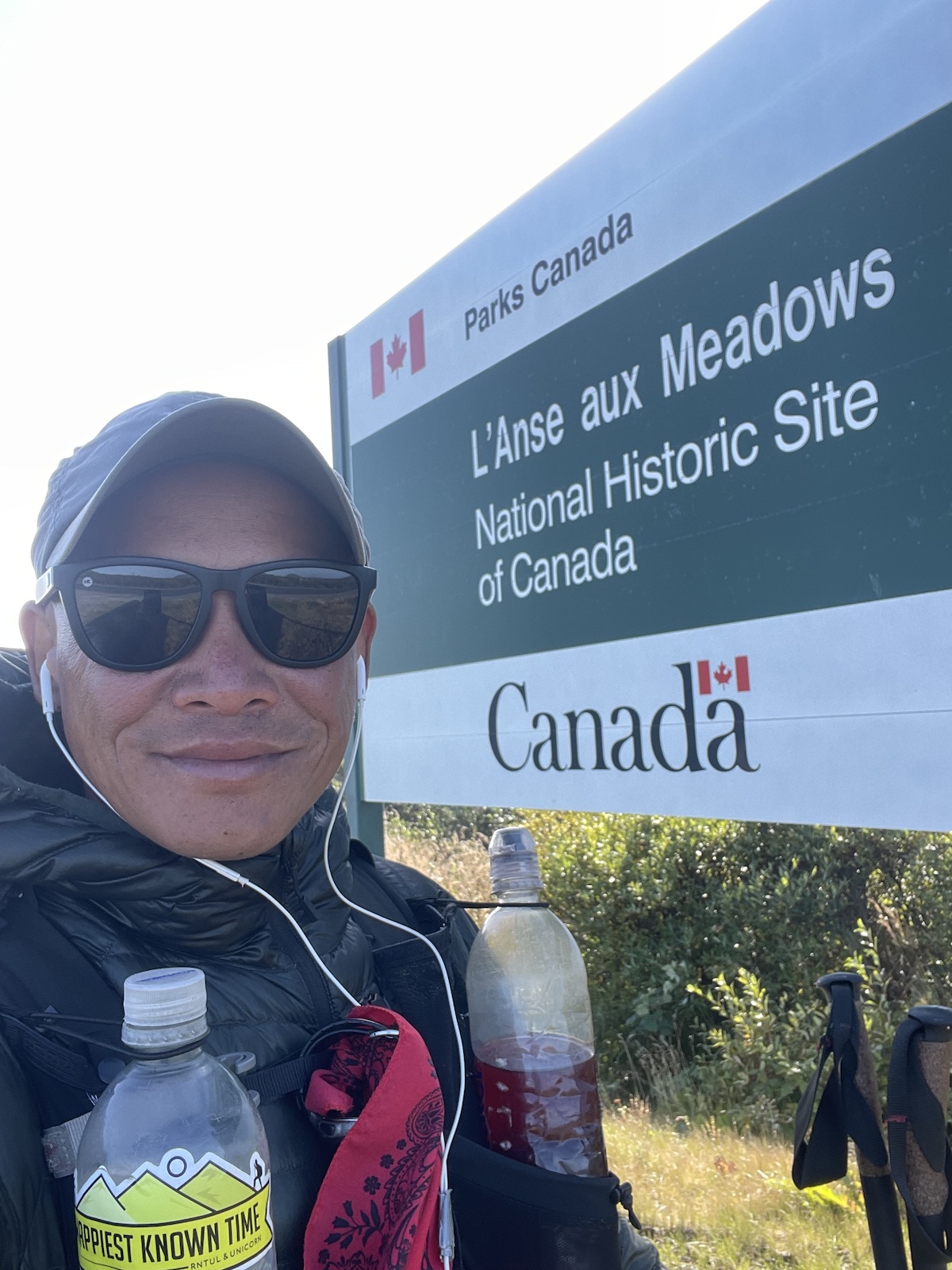
I’ve been lucky, but it’s not by accident. I’ve never been grievously injured, or had to stop hiking a trail by being adequately prepared, and by making good decisions when it comes to self-care. As of October 6, 2023 when I reached L’Anse aux Meadows National Historic Site, the northernmost tip of Newfoundland, Canada, I’ve now hiked the Pacific Crest Trail, Continental Divide Trail, and Eastern Continental Trail (ECT), which includes the Appalachian Trail, three times each. That’s nearly 34,250 miles without a serious injury.
It’s not that I don’t hike without pain. Every thru-hiker must deal with the daily aches, bruises, and overuse injuries from constant daily motion and attrition over time. It’s also true that a successful thru-hike is a balance between external factors, such as luck, and acknowledging one’s own efforts. While luck may play a role in certain situations, it should not overshadow the importance of hard work, both physical and mental preparation, and resilience in the pursuit of a thru-hike.
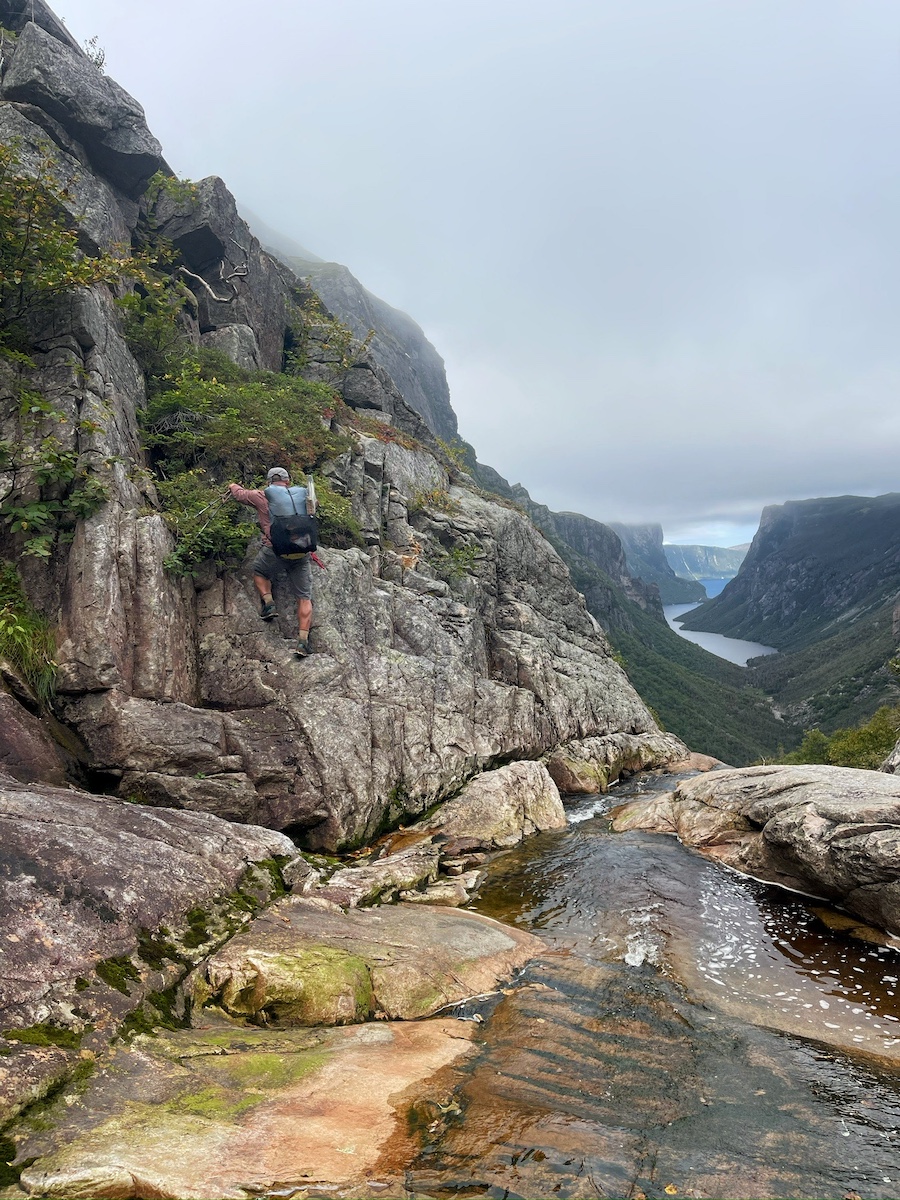
Photo provided by Lil Buddha
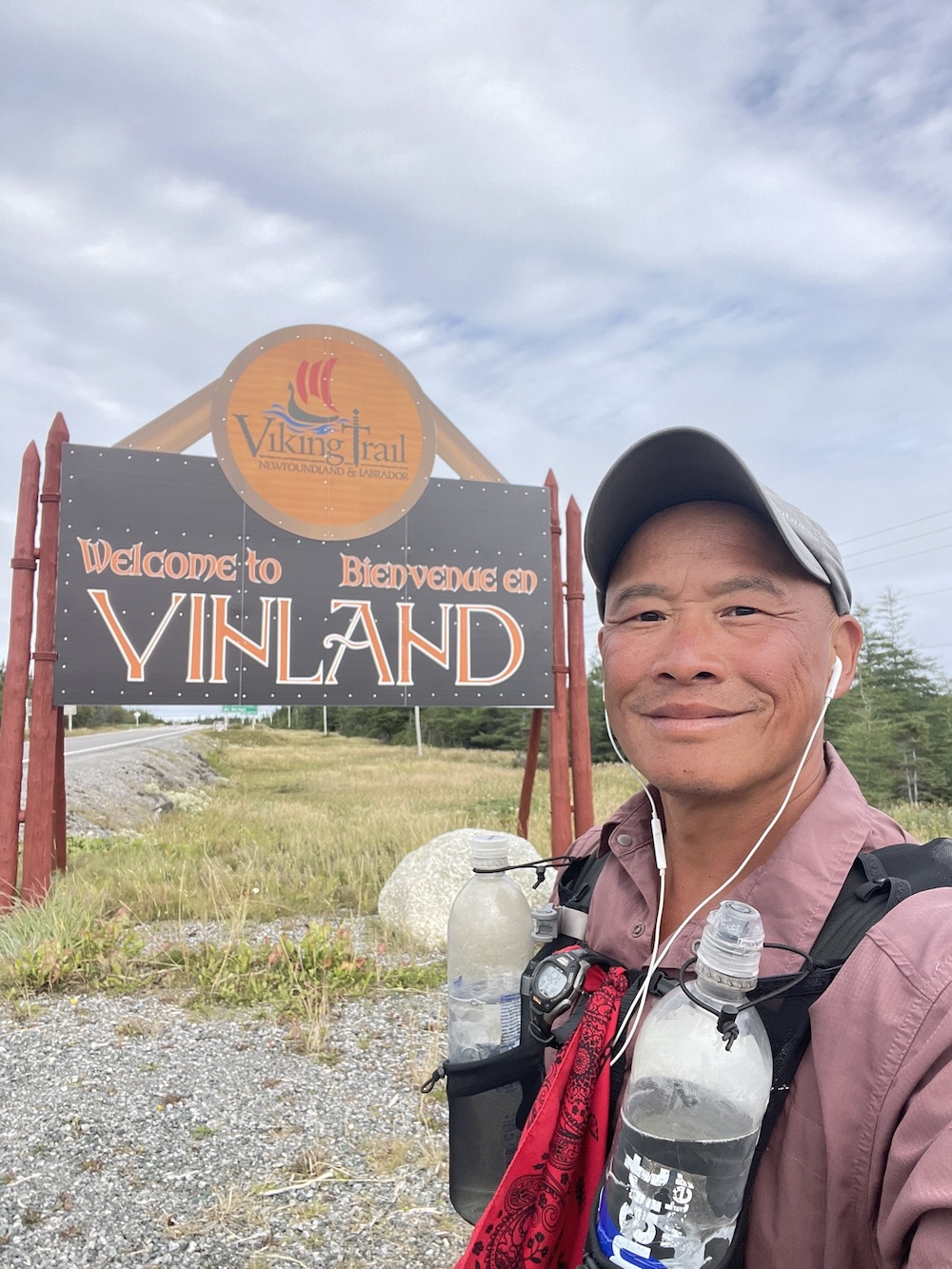
Photo provided by Lil Buddha
Gros Morne National Park: The Luck of the Irish
On a recent fall day in Newfoundland’s rugged wilderness, I caught up to a group of Long Range Traverse (LRT) backpackers resting after a tough scramble. The LRT is an unmarked route that traverses the Long Range Mountains (which are part of the Appalachians in North America) in Gros Morne National Park. It’s roughly 25 miles of route-finding across exposed slabs of granite and wild terrain. Typically, it takes even the most experienced hikers anywhere from three to four days to complete. While the LRT is not part of the International Appalachian Trail (IAT), which the ECT shares with Newfoundland, it would be a shame to miss arguably the best part of the island.
When I caught up to the group, they were surprised to hear that I had covered the same distance in a few hours that took them nearly two days to hike. After explaining that I was on a longer thru-hike, and then elaborating on the concept of trail legs and where I had hiked from, the group grew excited and wanted to hear more about the IAT and ECT. I decided to take a lunch break, and to wait for my hiking partner “Out & About” (O.B.) to catch up. During lunch I shared stories from the ECT, and from previous hikes over the past 25 years with my new friends.
One of the questions asked was if I’d ever been critically hurt on trail. Without giving it much thought I responded “no, I guess I’m just lucky,” to which one of the hikers replied “long may your big jib draw!”
Upon hearing the unfamiliar saying (the Canadian Maritimes all have unique provincial phrases) I asked what the expression meant.
“Ahh…it just means you’re a lucky bastard!”
Later, I would learn that the phrase meant “good fortune for a long time,” and could be traced as far back to when the Irish first began to settle Newfoundland and Labrador in the late-17th century.
Why “I’m just lucky” Misses the Point
When someone says “I’m just lucky,” it implies a dismissive attitude toward their hard work and preparedness, attributing success largely to chance rather than acknowledging personal effort. This mindset misses the point by overlooking the role of planning and other factors that contribute to success. Luck can play a role in an endeavor, but it works in tandem with an individual’s ability to seize upon an opportunity.
Don’t Rely on Luck, Be Prepared
In my own personal experience, I’ve come to believe that a hiker’s mental and emotional preparedness is equally important to physical fitness, or external factors when attempting a thru-hike. It’s important to note that successful thru-hiking primarily depends on factors within an individual’s control.
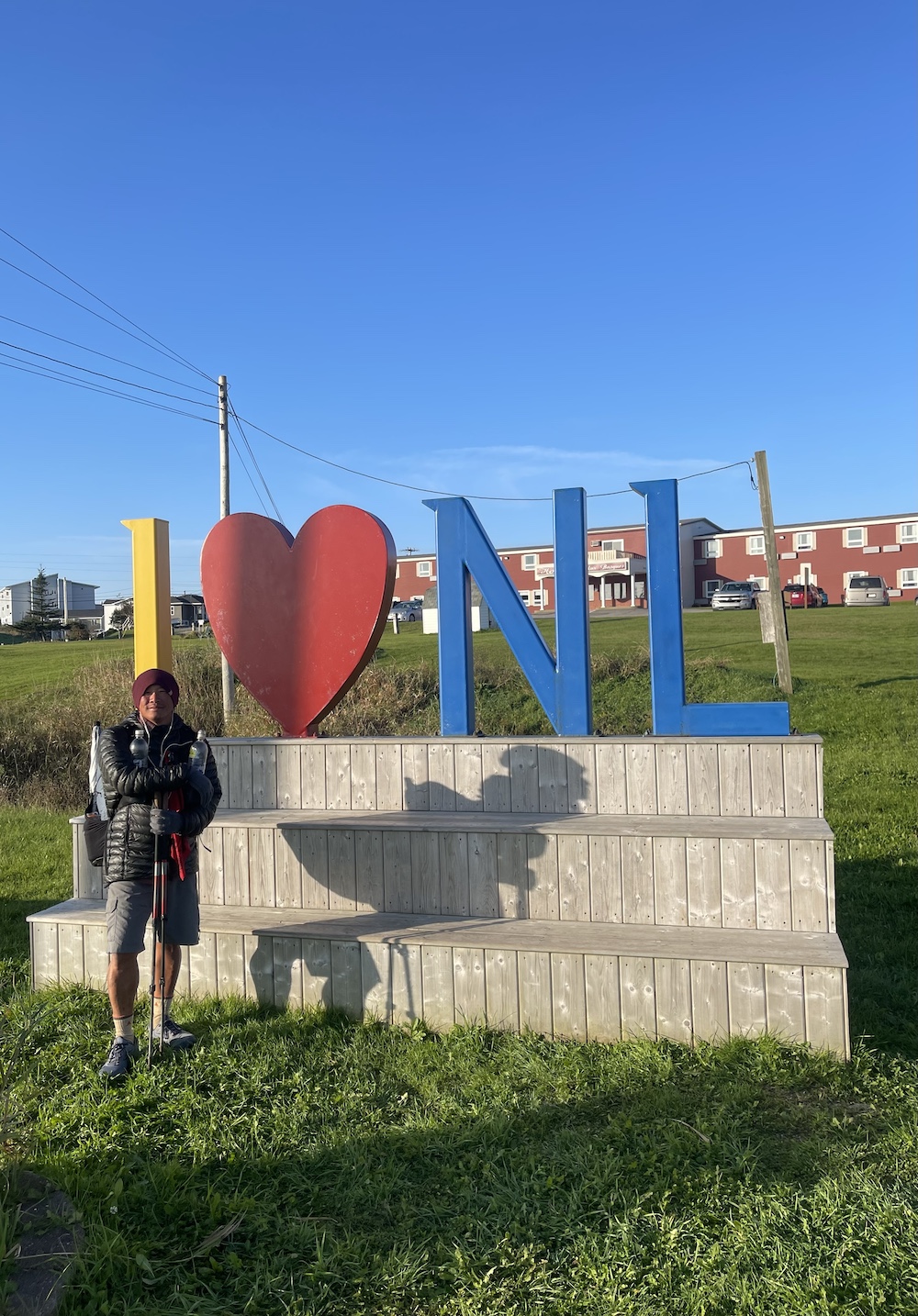
Photo provided by Lil’ Buddha
Here are some things to consider and tips to help you thru-hike with only the slightest bit of luck:
Mental and Emotional Preparedness
Thru-hiking involves mental challenges such as solitude, monotony, and overcoming mental obstacles. Mental toughness and resilience are crucial for staying motivated and focused throughout the journey.
Tip: Incorporate visualization and mental rehearsal. By mentally rehearsing my hike, whether that’s a challenging section up ahead or a potentially difficult hitch and resupply, I’m able to reduce stress and anxiety, and often improving the experience when I come to it.
Physical Fitness
Thru-hiking demands increasing endurance, strength, and overall physical fitness. Successful thru-hikers and backpackers typically engage in pre-training to prepare their bodies for the rigors of long-distance hiking.
Tip: One training method I’ve used is to carry a fully loaded backpack as I go about my day. This includes to school, grocery store, or even to work! Not only is this a great conversation starter with friends, neighbors, and colleagues, but you’ll also train your body to carry the weight.
Ideally, you’ve told your boss (or family) that you’ll be gone shortly for weeks or even months!
Planning and Preparedness
Thorough planning, including route research, resupply strategies, and gear selection, contributes significantly to a successful thru-hike. Being well-prepared minimizes the reliance on luck for overcoming logistical challenges.
Tip: While there are endless online resources on how to plan and prepare for a thru-hike, a navigational app like FarOut has many capabilities that are useful. The app includes town guides, waypoints, mileage, and hiker comments to help plan and organize your trip. One of the best features of FarOut is that the app can help you determine the mileage in between resupply points, and an elevation profile to help determine and anticipate how many days it will take to hike between them.
Adaptability
Successful thru-hikers are often those who can adapt to unexpected situations and make informed decisions on the trail.
Tip: Inevitably, mistakes are going to happen on a long-distance hike. Whether that’s heading out into a storm while realizing you’ve forgotten your rain gear back at the hostel, or miscalculating your resupply, at some point everyone makes mistakes. I typically employ humor and a growth mindset to help diffuse the situation and lighten my mood. After having a good chuckle, I’ll focus on solutions and move on.
While external factors like luck certainly play a role in certain aspects of thru-hiking, it is not the primary determinant of success. It’s important to remember that the more proactive and prepared a thru-hiker is, the less they may need to rely on luck to complete their journey. While saying “I’m just lucky” might be a quick way to deflect attention or convey humbleness, it diminishes the hard work, thorough planning, adaptability, and resilience that got you to where you are on trail.

Photo provided by Lil’ Buddha