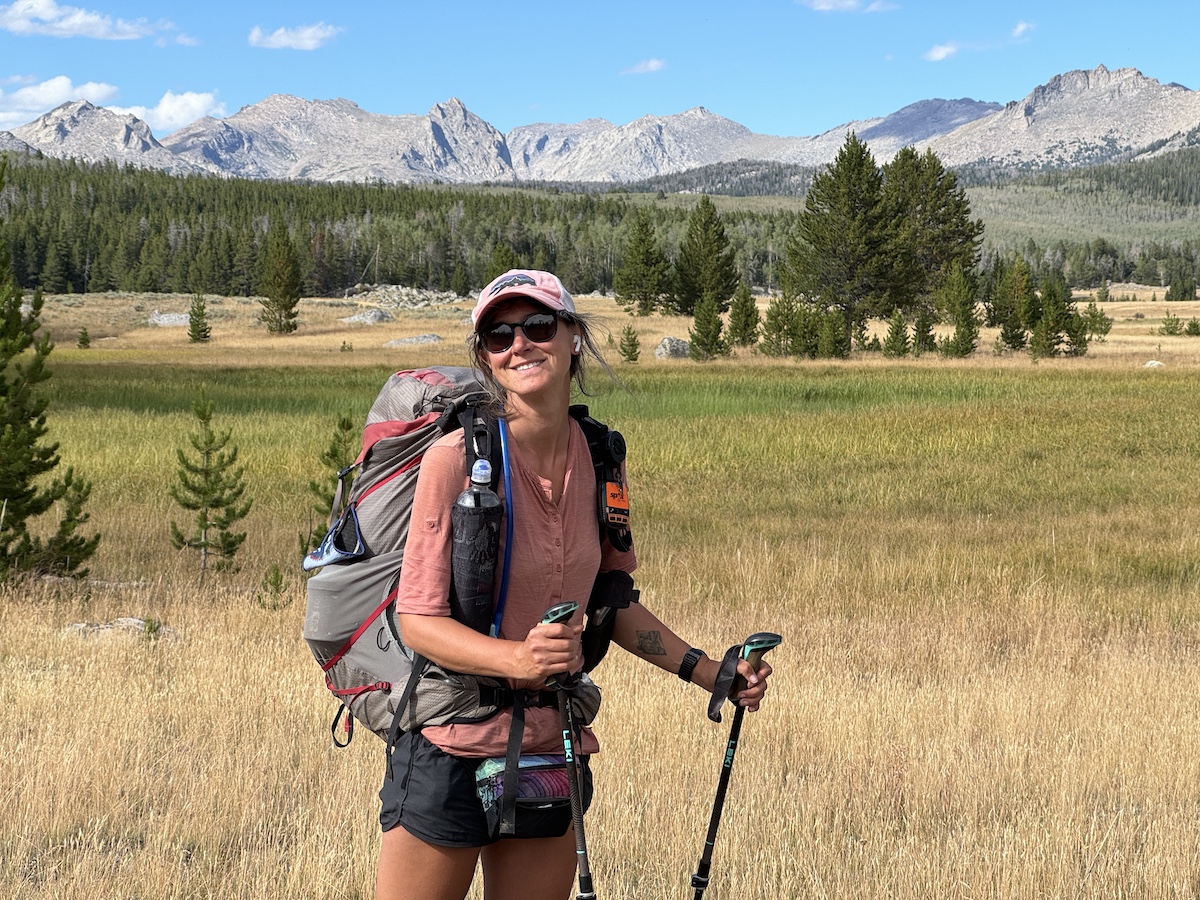
Embracing the Dichotomies of the Continental Divide Trail
By Annika Ananias, a 2024 FarOut Scout
It goes a lot like this: I love it. I hate it. It’s great. It sucks. Why is this wet? This is awesome! I want to quit. Let’s go! I can’t take it anymore! Each feeling crashes over me like a wave, giving way to the next just as quickly, a chaotic yet compelling rhythm that mirrors the trail itself.
The CDT is a paradox, a love-hate relationship personified. It’s brutal. It’s beautiful. One moment, you’re standing on a windswept ridge, awestruck by endless peaks bathed in alpenglow. The next, you’re scratched up, itchy from biting flies, and shivering, wondering why everything you own is wet — again. It’s a masterclass in Type 2 fun, full of opportunities to question your life choices.
It sometimes feels like a toxic relationship. There’s pain, and tears, but there are also moments of intense joy — the kind that make you forget the suffering, at least until the next low point. Step by step, I’m conquering the hardest challenge of my life.
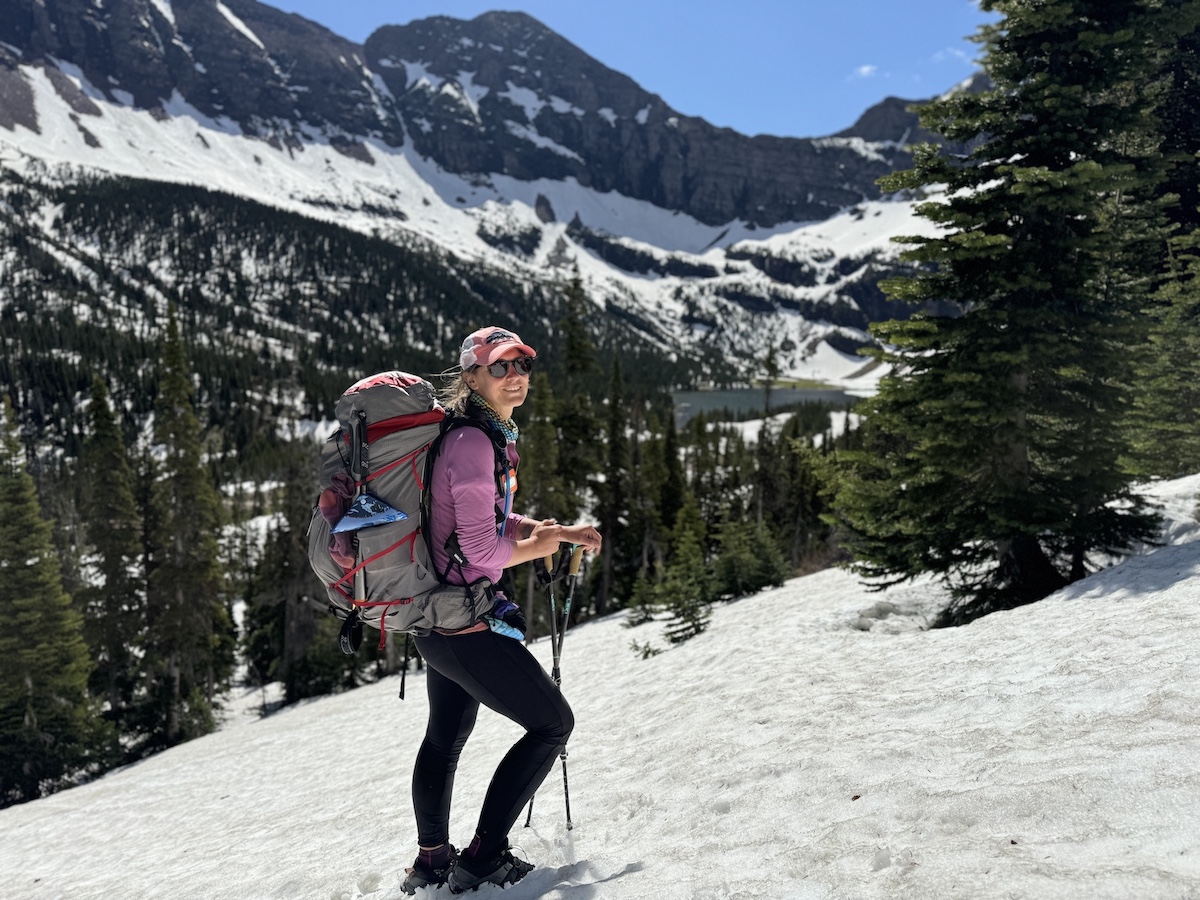
“The first steps of the CDT in Glacier National Park”
Photo provided by Annika Ananias
The Painful Beauty of Montana and Idaho
Glacier National Park was one of the most beautiful places I’ve ever seen, with roaring waterfalls that echoed through the valleys, meadows bursting with wildflowers, snow capped mountains gleaming under the sun, and green valleys teeming with wildlife. But sketchy snow traverses, high winds, and ticks capped off by a moose’s false charge, set the tone for what was to come.
Battling a snowstorm in the Bob Marshall Wilderness felt like a harsh initiation, leaving my feet wet every single day. And then there was the cold — the kind that seeps into your bones. To make it through, we seized every rare moment of sunlight, laughingly quoting Spongebob’s ‘photosynthesis!’ as we sprawled on the ground, soaking up every warm ray and spreading out our gear to dry. My body was struggling to adjust to 10-hour hiking days and maintaining weight, but our spirits remained high, fueled by adventure and kind locals. Montana had tested us early on. Did we have what it takes to hike the CDT?
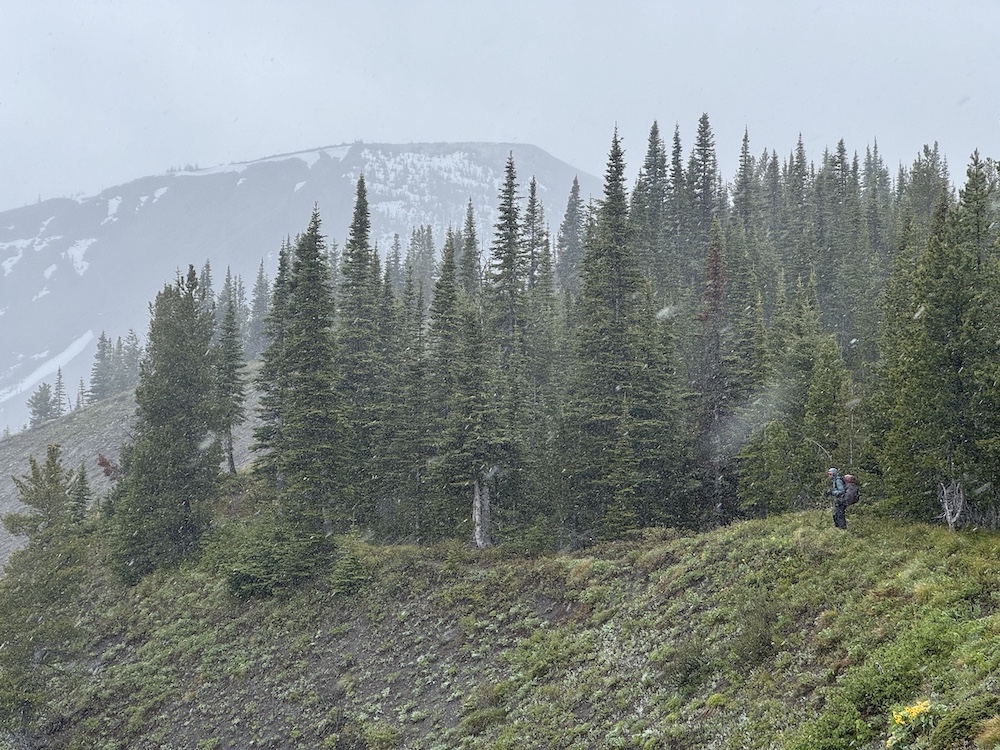
“Type-2-Fun in the Bob Marshall Wilderness”
Photo provided by Annika Ananias
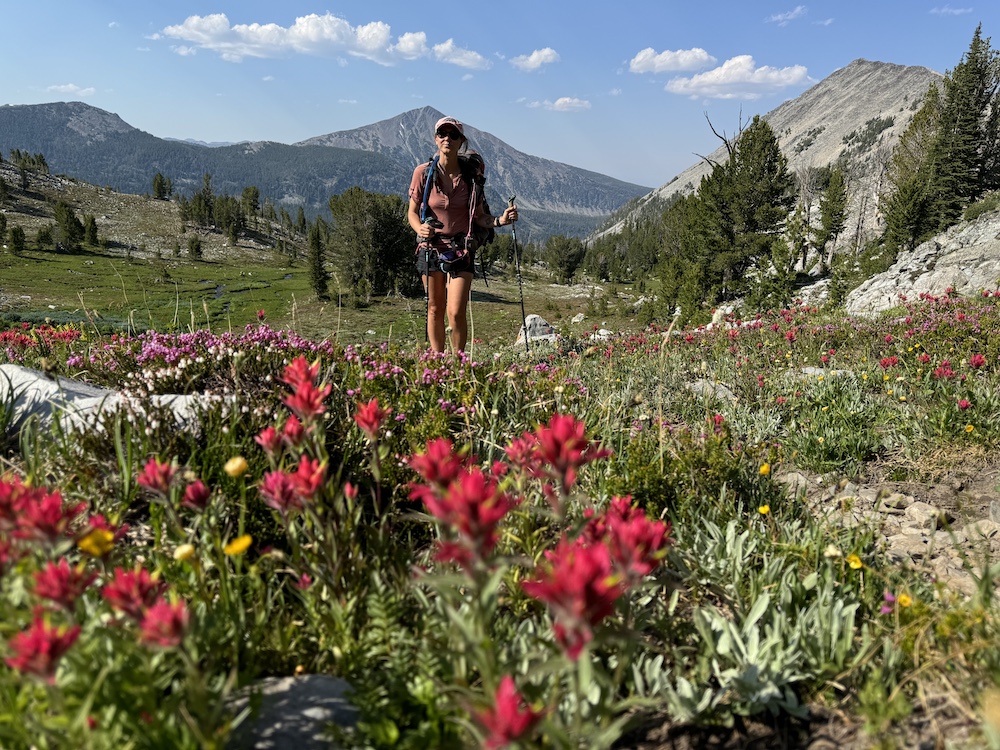
“Wildflowers in Montana and Idaho”
Photo provided by Annika Ananias
Then endless stretches of blowdowns, each tree a puzzle of contortion and frustration. Every step felt like a battle, but the reward? That sense of isolation, of being somewhere so raw and untamed that few dare to tread. And then there were the wildflowers, bursting with color, mocking my misery.
Southern Montana and Idaho added relentless heat, biting flies, and violent thunderstorms, but we kept moving. I accidentally dropped my phone, leaving the screen shattered and the entire phone unresponsive. The bone necrosis in my left foot is bothering me early on, leaving me wondering if it turned into a stress fracture, which would mean the end of the hike this year. The CDT never makes it easy, there is always something. Yet, for all its challenges, I remained determined: one day at a time, one step at a time.
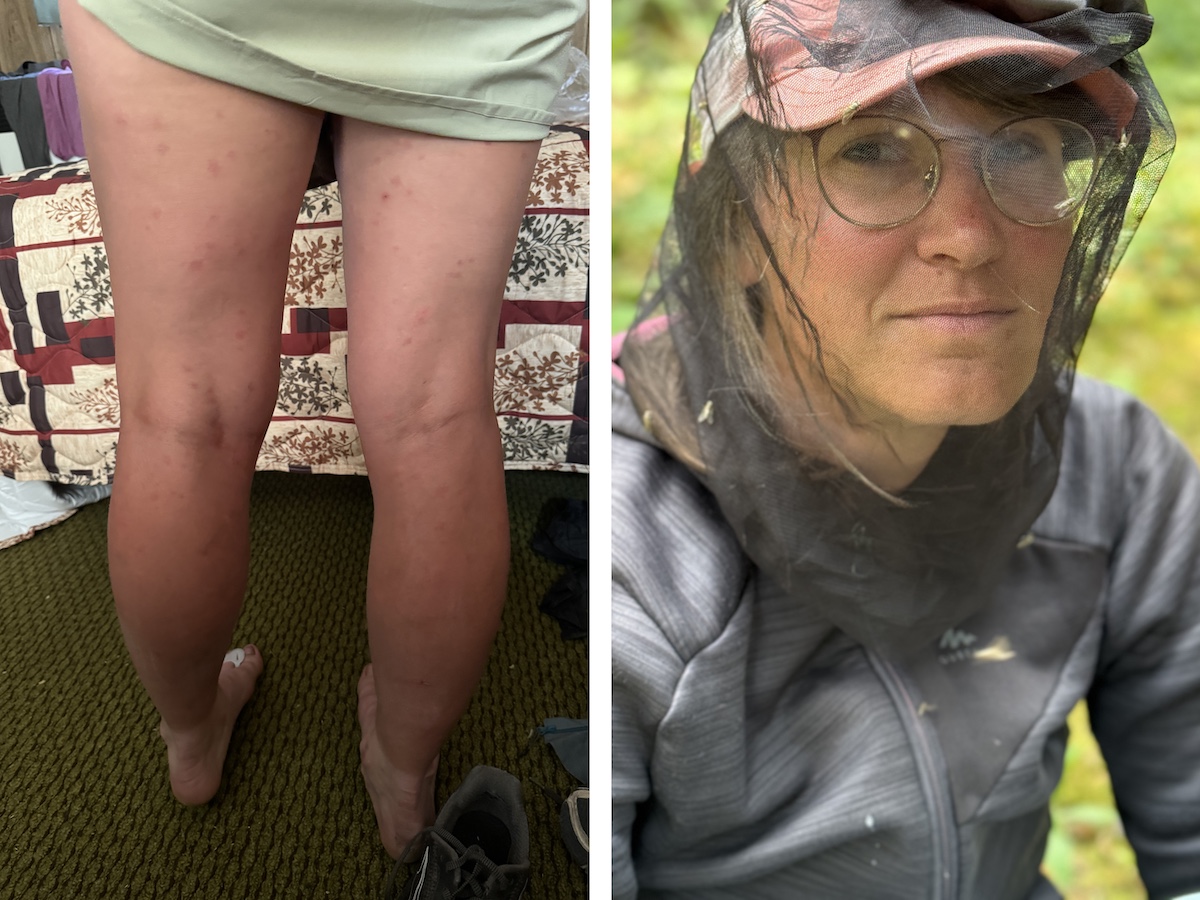
“The Terror of Biting Flies and Mosquitoes in Montana in July”
Photo provided by Annika Ananias
Wyoming’s Wonders
Yellowstone brought back childhood memories, when I’d been mesmerized by the Grand Prismatic Spring in my children’s encyclopedia. Seeing it in person? Surreal. Geysers, mud pools, hot springs, wildlife — it was magical, a rare break from the CDT’s usual grind.
Then came a detour through the Grand Tetons. One of the best parts about the CDT is that it’s a “Choose your own adventure” trail that isn’t set in stone. The Tetons captivated me with their sheer grandeur — towering peaks that seemed to scrape the sky and glacial lakes shimmering like gemstones. The Class 3 scramble to Lake Solitude was one of my favorite days on the entire CDT. Reaching the lake was a rare moment of peace, where the exhaustion faded and awe took over, reminding me why I walked this path.
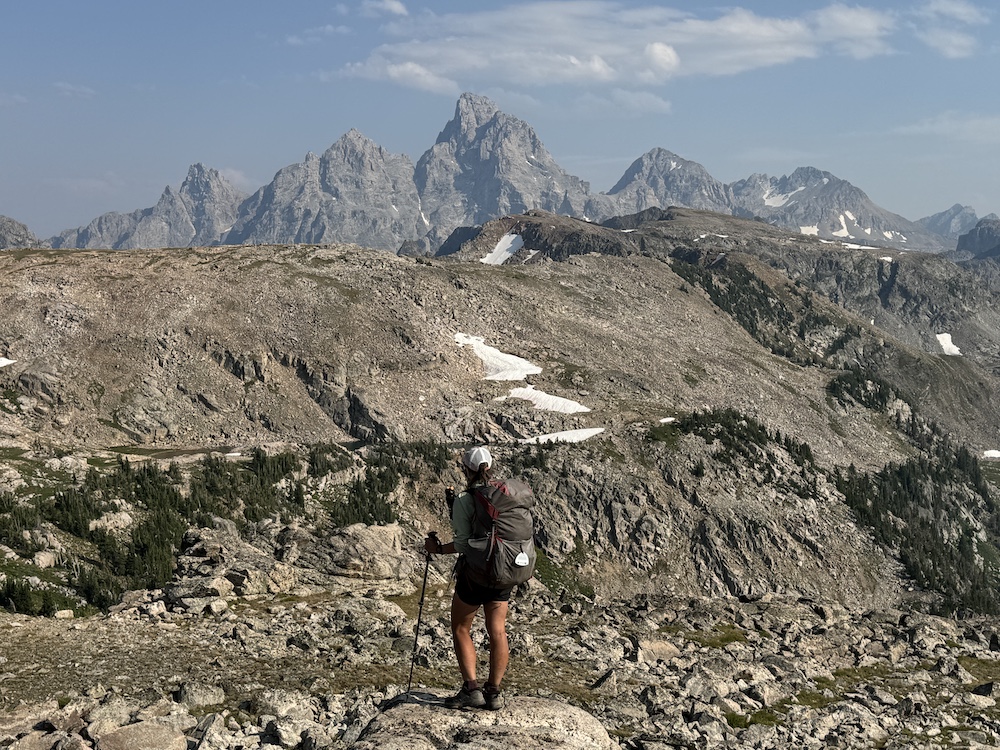
“A surprising delight: The Grand Tetons alternate”
Photo provided by Annika Ananias

“The alpine landscape of the Wind River Range”
Photo provided by Annika Ananias
Following that, the Wind River Range left us speechless with its rugged beauty. The trail wove through high passes and narrow valleys, offering breathtaking views that made the effort worth every step. Wildlife added to the magic: marmots basked on sunlit rocks, pikas darted between boulders with their shrill calls, and one morning, we were thrilled to spot a porcupine waddling through the underbrush.
We wrapped up Wyoming with a crossing of the Great Basin — a vast, relentless desert landscape dotted with pronghorn antelopes, coyotes, and herds of feral horses. Watching the sun paint the sky at dawn and dusk, only to be replaced by a canopy of stars, was utterly mesmerizing. In the Basin, we hiked 100 miles in just 3.5 days. Our sore hips demanded a zero-day to recover, but finishing it felt like a triumph, as it also marks the halfway point on the CDT.
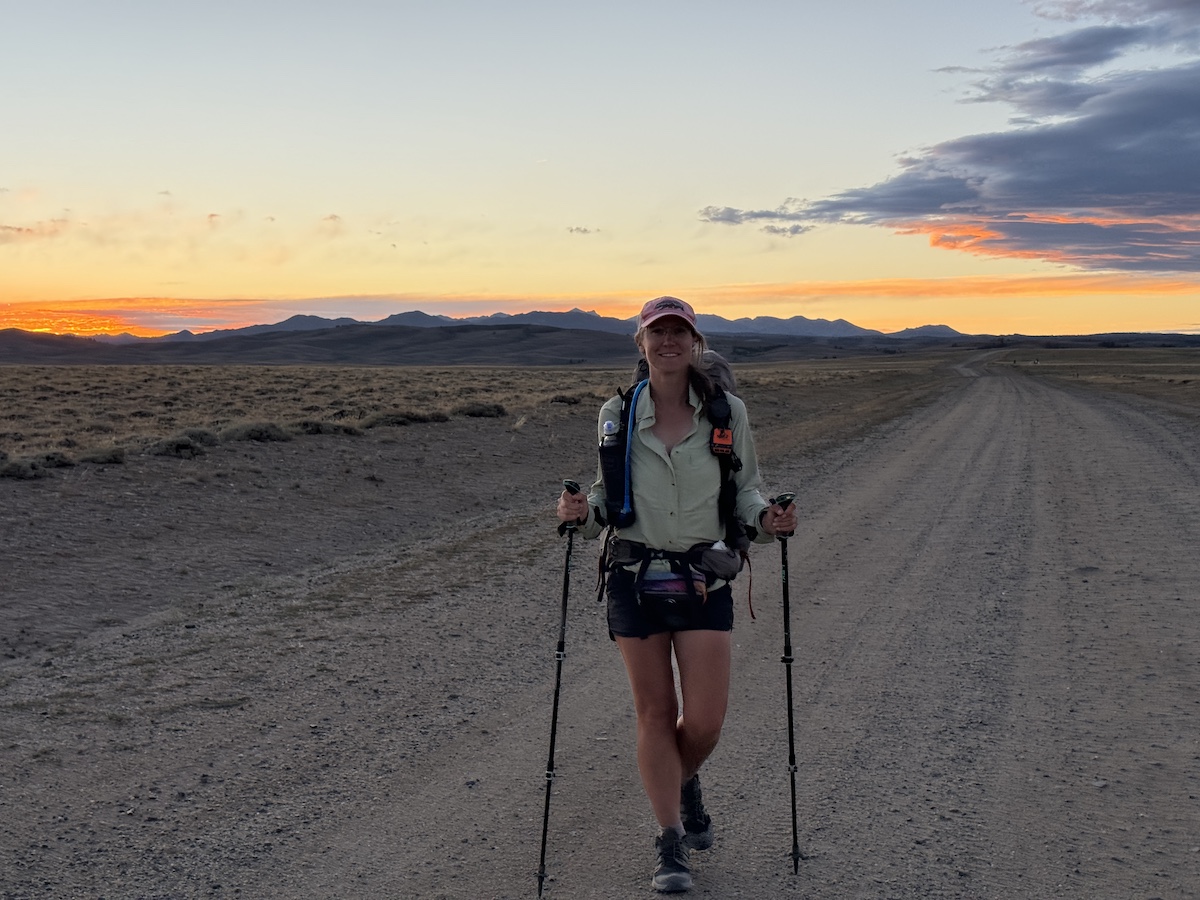
“The Great Divide Basin offered stunning desert sunsets”
Photo provided by Annika Ananias
Colorado’s Highs and Lows
Colorado offered beauty and brutality in equal measure. The Indian Peaks Wilderness marked the start of high-altitude challenges, where the golden rule — finish Colorado by the end of September — loomed large. Climbing Grays Peak, the CDT’s highest point, and traversing the Argentine Spine were some of the most epic, grueling yet rewarding days I’ve ever endured. One high elevation day after another, our mileage decreasing.
Fall brought breathtaking foliage and clear skies, but winter wasn’t far behind. A mid-September snowstorm forced a bailout, a stark reminder that the clock was ticking. Yet, Colorado’s beauty kept me going, even as the altitude and elevation gain wore me down.
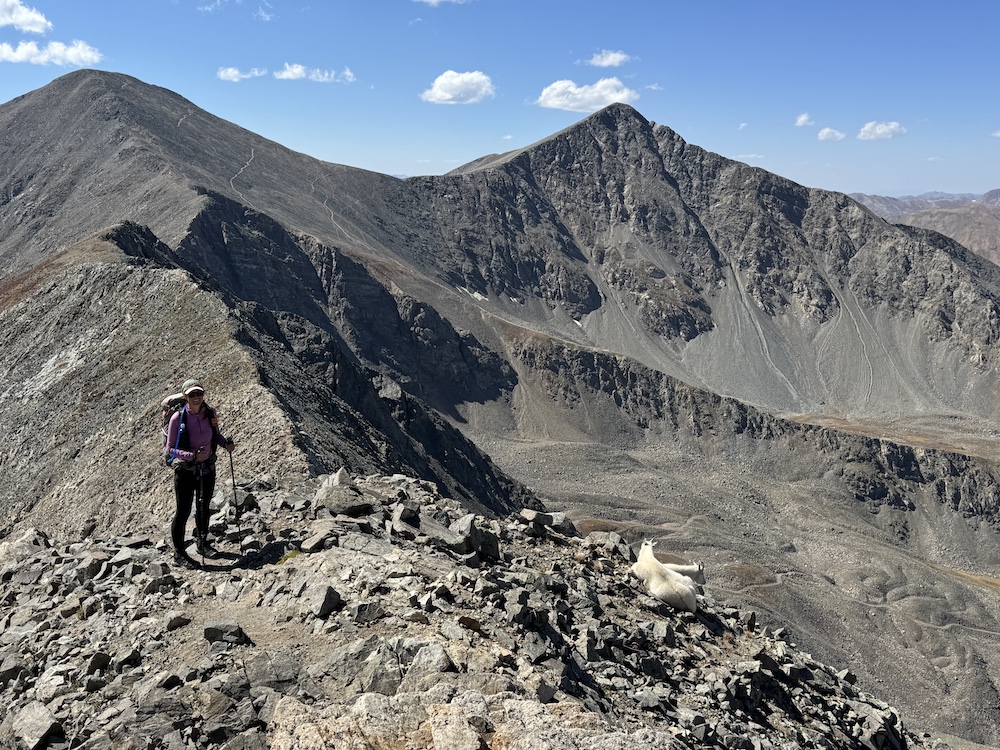
“Hiking in between mountain goats in Colorado”
Photo provided by Annika Ananias
The San Juans demanded everything we have, with long climbs, rugged terrain, and barely-there paths, but the rewards make it all worthwhile: golden valleys alive with wildlife, echoing elk bugles, and flaming sunsets.
By the time we reached New Mexico, I was emotionally drained, my body tired. The CDT had pushed me to tears countless times — something the PCT never did. Unlike the PCT, where the trail often felt like a supportive friend, the CDT seemed intent on exposing every weakness. Yet, through the tears, I realized the CDT was teaching me to embrace my limits and push past them in ways I never had before. Exhausted and longing for easier desert terrain, I looked forward to the final stretch.
The Trials of New Mexico
New Mexico brought its own set of challenges: snow in the high country, that numbed my fingers and toes, tedious road walks under a relentless sun that burned my skin, and the jagged, sharp rocks of a 3,800-year-old lava field, each step requiring precision to avoid painful slips or twisted ankles.
The Gila River section forced us to cross the river over 100 times, waking up to frozen socks defrosted by boiling water.
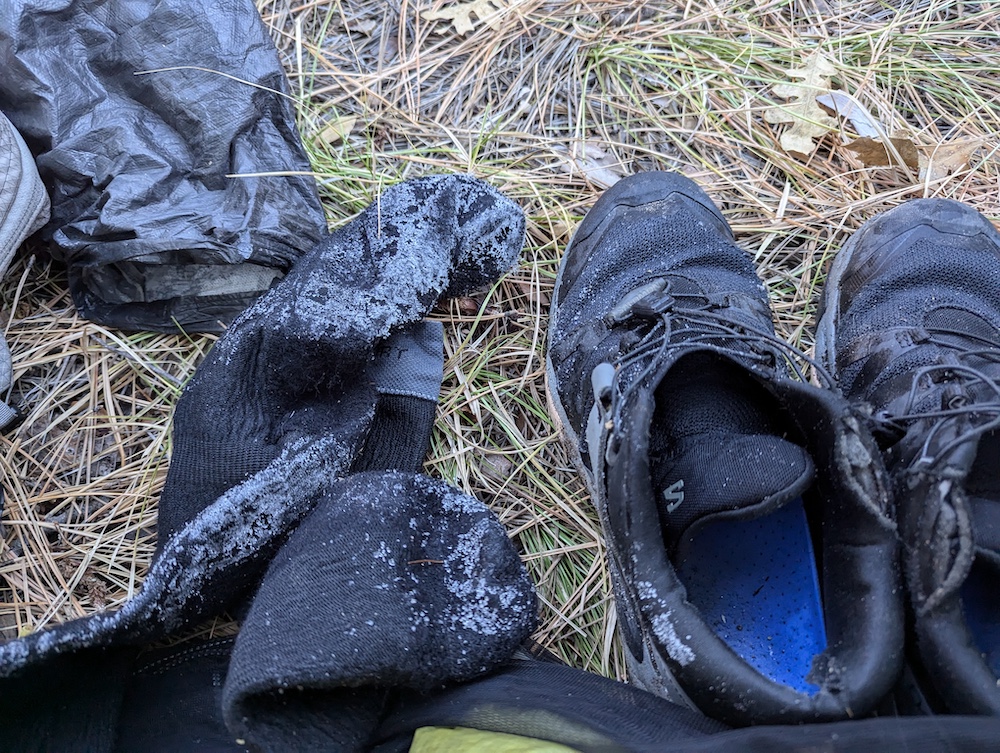
“Waking up to frozen shoes and socks in the Gila River section”
Photo provided by Annika Ananias
But New Mexico also offered stunning sunsets, sweeping desert views, and towering mesas. A land of dualities, New Mexico was brutal yet beautiful, a fitting finale to the CDT.
As the end approached, I felt a pang of anxiety. Post-thru-hike life loomed, its unknowns more daunting than the trail itself. For someone autistic, navigating “normal” life feels harder than hiking thousands of miles. Out here, I felt free, I could just be. The clarity and simplicity of trail life — where decisions boil down to where to walk, eat, and sleep — stood in stark contrast to the overwhelming complexity of life off the trail.
I kind of wanted to stay out here, being a feral desert woman and getting my own FarOut icon. But maybe life is like a thru-hike. You just set one foot in front of the other and in the end you climbed that mountain or hiked from Canada to Mexico.
At 11:59 a.m. on November 15th, I touched the Mexican border monument. I cried, but this time they were tears of happiness. After 5.5 months, 2,559 miles, and 142 days of hiking, I’d done it. Starting on June 6th with the first hikers and finishing on November 15th as some of the last, we might hold the title of “longest on trail.” That’s the kind of win I want. Doctors had told me to stop hiking after my bone necrosis diagnosis in my left foot over a year ago. Screw them.
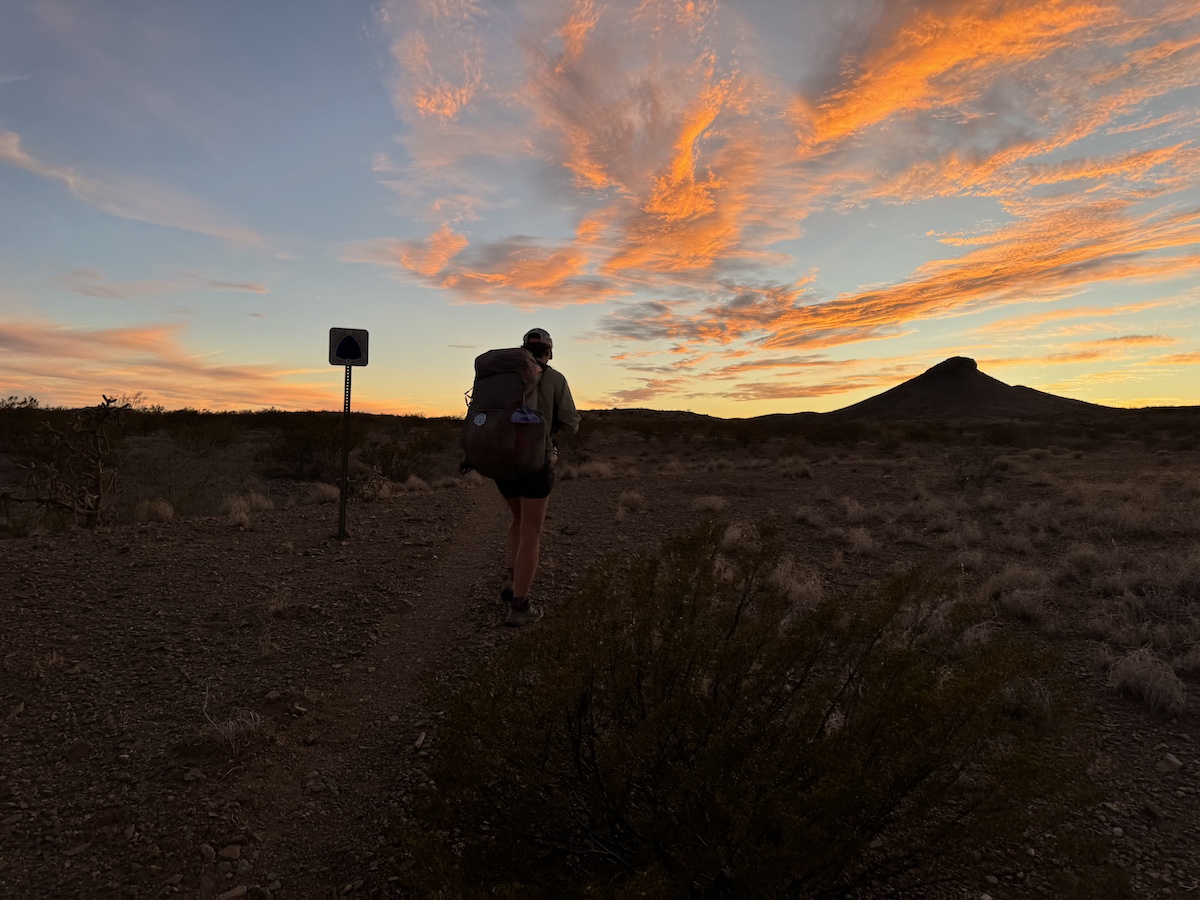
“New Mexico, ‘The Land of Enchantment’ – I can see why”
Photo provided by Annika Ananias
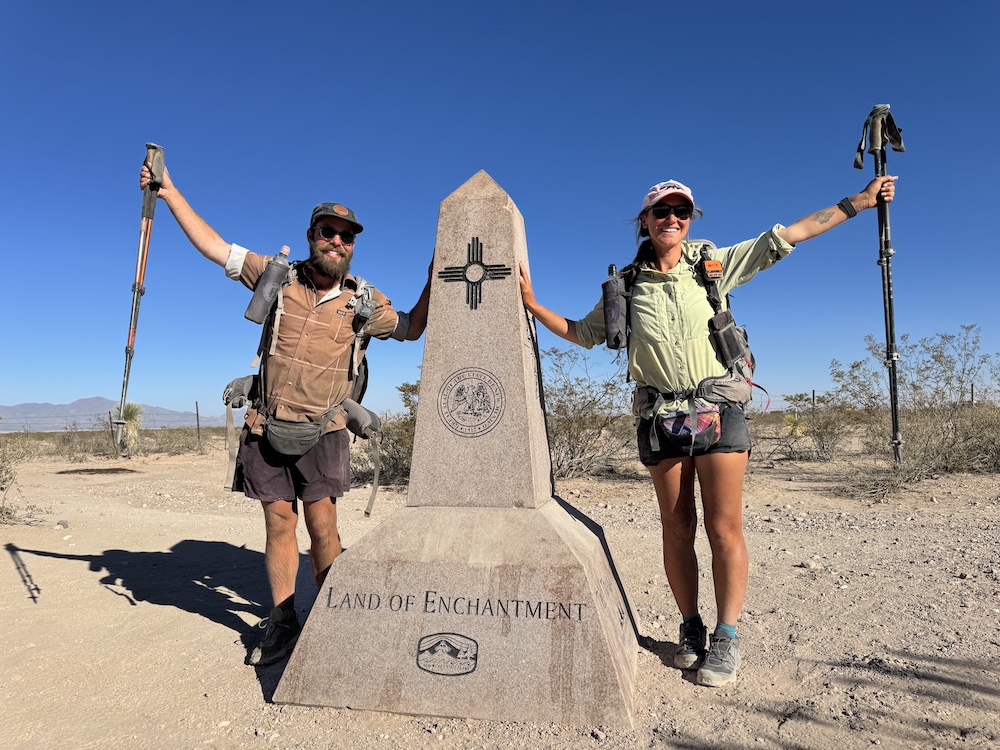
“After 142 days of hiking, we reached the Mexican border”
Photo provided by Annika Ananias
Why Did I Stay?
So why did I stay in this toxic relationship? Because the CDT gives as much as it takes. It strips you down, forcing you to confront your limits, your fears, your very sense of self. And then, just when you’re ready to quit, it rewards you with something extraordinary — a sunrise that sets the mountains ablaze, a herd of elk moving silently through the most stunning alpine landscapes, or simply the realization that you’re stronger than you ever imagined.
It’s a raw, unfiltered experience, a reminder that life’s essentials — cold water, warm sunlight, and solid ground— are more real than any social constructs. The CDT was pure life condensed into a journey along the spine of a continent.
For all its pain and frustration, I wouldn’t trade it for anything. Thru-Hiking may not always be “fun,” but it’s undeniably vivid and real. The trail hadn’t just tested me — it had changed me. It taught me to embrace uncertainty, to find strength in small victories, to value simplicity, and to see beauty even in the hardest moments.
And maybe most importantly, it reminded me that life, like hiking, is about moving forward. You don’t have to do it perfectly; you just have to keep going.